



The government led by Imran Khan marked one of the most significant political periods in Pakistan’s recent history. Coming to power in 2018 with promises of change, accountability, and a “Naya Pakistan,” his administration generated strong public expectations. Supporters viewed the government as a fresh alternative to traditional politics, while critics questioned whether its promises could be fully delivered. Regardless of opinion, the Imran Khan era left a lasting impact on the country’s political landscape.
One of the central themes of the government was anti-corruption reform. Imran Khan campaigned on the promise of holding powerful figures accountable and improving transparency in governance. His administration emphasized stronger institutions, digital systems, and efforts to reduce misuse of public resources. Many citizens welcomed this message, believing that accountability was necessary for national progress.
Economic management was one of the biggest challenges faced by the government. Pakistan inherited fiscal pressure, external debt concerns, and current account imbalances. The administration introduced reforms aimed at stabilizing the economy, increasing tax collection, and improving exports. It also sought financial support through international agreements and friendly countries. While some indicators improved at different stages, inflation, unemployment concerns, and currency depreciation created difficulties for ordinary citizens.
Social welfare programs became one of the most recognized aspects of the government. The Ehsaas Programme was launched to support low-income families through cash assistance, scholarships, health initiatives, and social protection measures. During the global pandemic, relief efforts through emergency cash transfers were widely discussed. These initiatives were praised by many observers as important steps toward helping vulnerable communities.
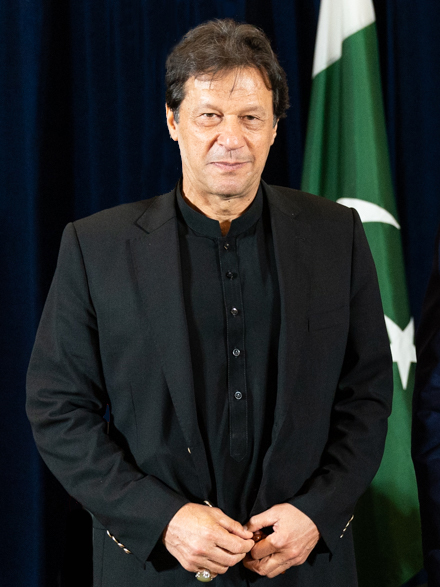
In foreign policy, the government attempted to present Pakistan as an active diplomatic player. Relations with neighboring countries, engagement with Muslim-majority nations, and efforts to improve Pakistan’s international image remained priorities. The government also highlighted tourism potential, overseas Pakistanis, and investment opportunities. Its handling of regional developments, especially in Afghanistan, attracted global attention.
The response to the COVID-19 pandemic was another defining moment. The government used a combination of targeted restrictions, public awareness campaigns, and welfare support while trying to keep economic activity functioning. Opinions differed on strategy, but the period tested leadership, institutions, and healthcare systems around the world.
Despite achievements and ambitions, the government also faced intense criticism. Opposition parties challenged its economic performance, governance style, and political decisions. Rising prices became a major public concern. Political polarization increased, and tensions between institutions and parties shaped much of the national debate. Eventually, the government ended in 2022 through a parliamentary no-confidence vote, creating a dramatic chapter in Pakistan’s democratic history.
The political influence of Imran Khan, however, did not end with leaving office. His popularity, public rallies, and continued role in national discourse demonstrated how deeply he had reshaped political engagement, especially among younger voters and overseas Pakistanis.
In conclusion, the Imran Khan government was a period of reform attempts, controversy, and high public expectations. It brought strong narratives of accountability, welfare, and national change while also facing serious economic and political obstacles. Its long-term legacy continues to influence Pakistan’s politics and future direction.